
Building Strong Cultures in Transport: Why Recruitment and HR Practices Matter
Blog
Building Strong Cultures in Transport: Why Recruitment and HR Practices Matter
20 August 2025
At Driveforce, we believe culture isn’t just a “nice-to-have.” In transport, it’s the unseen force that fuels retention, safety, performance, and ultimately profitability. Companies that see hiring as only ticking boxes often face high employee turnover, rising costs, and safety issues. Those that get it right build strong teams that perform well and stay.

What Strong Transport Cultures Have in Common
- Smarter Hiring, Not Just More Hiring
Great operators don’t just fill seats. They use structured interviews, skills-based testing, and proven selection tools. This method screens for both skill and fit, lowering early attrition and costly mis-hires. - Honesty upfront with realistic job previews
Showing candidates the true conditions of the job – including hours, routes, equipment, and customer expectations – leads to fewer surprises and fewer early departures. The result? People who genuinely want the role and remain longer. - Safety at the Heart of Culture
Strong safety systems build trust. Companies that coach proactively and track both leading and lagging indicators face fewer accidents, lower staff turnover, and better performance. In transport, nothing damages culture faster than poor safety. - Giving Drivers a Voice
Anonymous feedback loops that management acts on quickly reduce churn and build loyalty. Drivers who feel respected and heard don’t just stay, they perform better. - Development That Fosters Loyalty
When drivers can advance from Class 2 to Class 5 or obtain and utilise endorsements like Bridge Engineering Self Supervision (BESS) or Practical Rigging, they see a future with the company. Development pathways are retention pathways. - Engagement Where It Counts
Engagement isn’t just a poster on the wall. It depends on frontline leaders, dispatchers, supervisors, and managers who show respect and support their people every day.
The Cost of Poor Culture
Companies that cut corners on hiring and training end up paying for it with:
- High driver churn
- Skills shortages and safety incidents
- Rising recruitment and training costs
- Damaged reputations among customers and industry peers
Poor culture is costly.
From Recruitment to Retention to Performance
The link is straightforward:
- Improved recruitment methods → Better fit and retention → Enhanced performance and safety → Strengthened bottom line.
Ignore this connection, and you’ll remain trapped in the costly cycle of replacing staff instead of growing with them.
Case in Point
- Mainfreight (NZ): Built on a culture-first approach, their people systems prioritise long-term growth, structured onboarding, and internal promotion. Although they were disappointed with their results in the year ended 31 March 2025, it’s clear that the company’s successes are underpinned by its ‘Mainfreight family culture’ with recognition of this at the most senior level. Mainfreight confirms in one of its latest newsletters, “a strong Mainfreight culture will always win above anything else”.
- Freightways (NZ): Processes over 100 million items annually across its operations, including brands like New Zealand Couriers, Post Haste, DX Mail, Big Chill, TIMG, and many more. During challenging economic times, Freightways has prioritised service resilience and consistent performance by cultivating a strong, united culture across its various business units. Mark Troughear, CEO, in his 2024 annual meeting commentary, stated, “We will continue to invest in training our people so 80% or more of our promotions come from within”.
- Micro-learning programs in trucking: Independent studies found that companies investing in mobile-first safety and skills development reduced turnover from nearly 30% to 10%. This was effective because mobile tools made training accessible on the road, offered consistent refreshers, and provided real-time learning that suited drivers’ work routines.
What This Means for Transport Operators
To cultivate a winning culture, operators need to:
- Standardise hiring through structured interviews and job previews.
- Make safety the cornerstone of every decision.
- Listen to the drivers and respond promptly.
- Invest in development and create clear skill pathways.
- Constantly train frontline leaders to be people leaders.
The Driveforce View
Culture in transport or any business isn’t just fluff; it’s a vital part of strategy. It forms the foundation for retention, performance, and profitability. At Driveforce, we embed this philosophy into everything we do. By combining structured, honest recruitment with people-first HR practices, we help our clients build stronger, safer, and more sustainable teams.
Because when culture succeeds, the whole business succeeds.
Brent Mulholland
Founder & Managing Director | Driveforce Limited
Email: support@driveforce.co.nz
MBL: 027 762 6677
From 1985 to Now: How Recruitment, Safety, and Logistics Have Transformed in New Zealand
Blog
From 1985 to Now: How Recruitment, Safety, and Logistics Have Transformed in New Zealand
August 2025
At Driveforce, we’ve seen significant change since 1985 — in how people are recruited, how businesses manage safety, and how logistics operate daily. This article examines what’s changed, what’s still evolving, and what the future holds.
Recruitment Then vs Now
1985: When I entered the workforce in 1985, recruitment was slow and straightforward. Paper CVs were mailed, reference checks were light, and hiring often meant simply putting someone in the seat and hoping it worked out. Health and Safety, as we know it today, was non-existent.
2025: Recruitment becomes faster, more thorough, and better regulated. Job ads go live instantly, candidates expect responses immediately, and employers carry out background, licence, visa, and security checks as standard. This isn’t about being nosy – it’s about compliance, risk management, and customer expectations.
The Impact of Health & Safety
The Pike River tragedy marked a turning point. The Safety at Work Act 2015 fundamentally changed how businesses in New Zealand operate. Safety is now a board-level responsibility with clear accountability.
For transport, that means:
- Electronic logbooks and other mechanisms closely track fatigue and work hour limits.
- Drug and alcohol policies are common practice in most organisations.
- From Board representatives down the chain of command, they must demonstrate they are managing risk.
Health and safety no longer just sits in a folder – it guides how we recruit, train, and oversee every worker.
Technology and Expectations
Our method of interacting has also shifted.
- Back then: Letters often took days to arrive, and replies could take weeks.
- Now: Instant messages, real-time job posts, and same-day interviews.
This has heightened expectations. Candidates seek speed, clarity, and flexibility. Employers want real-time proof of compliance and operational visibility.
Logistics: The 1980s vs Today
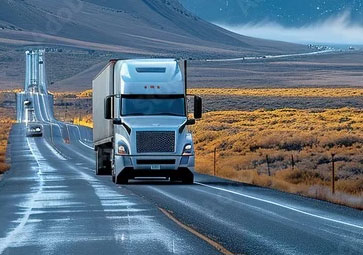
Mid-80s: Dispatch boards, two-way radios, and paper logbooks. Limited visibility once a truck left the yard.
Now:
- Telematics and GPS enable real-time monitoring.
- Electronic logbooks automatically ensure compliance.
- High Productivity Motor Vehicles (HPMV) transport more freight efficiently.
- E-commerce has driven significant growth in parcel volumes and made next-day delivery standard practice.
Still evolving: automation in depots, AI-assisted routing, and increased utilisation of data dashboards to optimise fleets.
Workforce Realities
New Zealand’s transport workforce is ageing, and the driver shortage is structural. Workers across the industry often want more flexibility and a better work-life balance, not 12-14 hour days, five days a week.
That means:
- Roster design should take fatigue into account.
- Semi-retired or part-time drivers form a valuable talent pool.
- Respectful and consistent scheduling maintains engagement.
What Organisations Must Embrace
- Skills-first recruitment with transparent job previews.
- Digital compliance licences, visas, logbooks, and safety data are all available online.
- Fatigue-aware rostering that prioritises health and well-being.
- Age-positive pathways ensure that experience isn’t lost when workers reduce their hours.
- Partnerships with on-hire providers that encourage transparency and uphold strict compliance.
The Importance of Flexible On-Hire Companies
Flexible staffing providers are no longer merely gap fillers. When implemented effectively, they:
- Supervise workers to ensure they comply with licence, visa, and safety standards.
- Provide fatigue-aware rosters and on-call cover during busy periods.
- Deliver safety refreshers and training to meet customer standards.
- Report key safety and performance indicators to clients.
This is how on-hire supports compliance and performance.
Driveforce’s Commitment
At Driveforce, we’re shaping our service around the realities of today’s workforce and the challenges of the future.
- Zero-surprise hiring: structured interviews and realistic job previews.
- Compliance integrated: licence, visa, and background checks handled as standard.
- Fatigue-smart scheduling: designed to meet legal and health standards.
- Age-positive pools: engaging semi-retired and part-time drivers with the flexibility they need.
- Transparent reporting so clients can view key metrics, fill rates, retention, and safety indicators.
Our goal is clear: provide clients with flexibility without risk, and offer workers respect, certainty, and opportunities to grow.
Closing thought
Recruitment, safety, and logistics have evolved significantly since 1985. Yet, one principle remains unchanged: people are central to everything. Organisations that prioritise safety, adaptability, and culture will succeed in the future. Driveforce is here to assist them in that pursuit.
Brent Mulholland
Founder and Managing Director | Driveforce Limited
Email: support@driveforce.co.nz
Mobile: 0277626677
Why Good Recruitment Goes Beyond What Candidates Say
Blog
Why Good Recruitment Goes Beyond What Candidates Say
20 August 2025
When recruiting, it’s natural to be influenced by what a candidate claims they can do. Many people are skilled at presenting themselves well, and without asking the right questions, you might end up making assumptions instead of truly understanding their abilities. This could lead to the challenging situation of hiring someone for a role they aren’t quite ready for.
A Real Case in Point
Recently, I had the pleasure of interviewing a truly seasoned driver. Both on paper and in person, he made a fantastic impression. With decades of experience behind him and celebrating a golden anniversary, he confidently shared that he’d “done everything” in his field. It was inspiring to hear his stories and see his passion for his work.
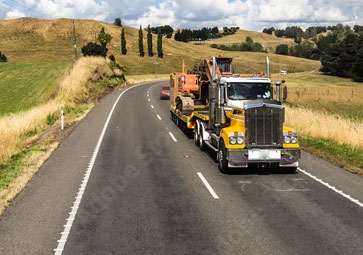
At a quick glance, his résumé presented a strong background: flat decks, stock trucks, swing lifts, curtain siders, steel, timber, and even Over Dimensional (OD) loads. Quite impressive, don’t you think?
As I looked more closely into his OD experience, it became clear that although he may have transported OD loads, he wasn’t really familiar with the legal regulations that cover them. He was honest about this, which I appreciate, but it also pointed to an important issue.
If I had just accepted his claims, assigned him to a client, and sent him out on an OD job, it might have quickly become clear that he wasn’t up to it. That could have left the driver vulnerable, the client disappointed, and Driveforce’s reputation on the line.
Why This Matters
Professional driving encompasses many aspects. Each job brings its own special details, technical skills, and legal responsibilities. When employers hire a driver, they’re not just bringing someone on board – they’re investing in reliable expertise, ensuring safety compliance, and peace of mind that everything is managed properly.
This experience truly highlighted three important lessons for me, making me appreciate and understand these insights even more:
- Always ask specific questions to get a clearer understanding. Instead of just asking, “Have you done this before?”, try to explore how, where, under what conditions, and what regulations apply. This way, you can gather more helpful information and make sure everything is covered!
- Checklists are a must-have! Even experienced recruiters can overlook details during quick conversations. Using a well-organised checklist helps make sure everything is covered and nothing is missed.
- Human judgment still holds a special place! While AI and automation are helpful for screening, nothing quite compares to the personal touch – listening, probing, and picking up on hesitation or overconfidence in a candidate’s responses. It’s these human insights that truly make a difference.
Final Thought
Thorough recruitment is all about really understanding a person’s capabilities, not just catching mistakes. This approach helps keep everyone safe and happy – the driver, the client, and the recruiter alike.
If you’re looking to build a team of strong and dependable people, remember that it’s a process that deserves patience. Taking the time to ask the right questions and apply good judgement helps you truly distinguish genuine ability from just surface-level claims.
📢 For additional information, helpful advice, or support with recruitment and driver capability assessments, contact Driveforce today. We’re ready to assist you at every stage!
027DForce1
Email: support@driveforce.co.nz